Skip to content

How to Handle Last-Minute Changes in Buffet Catering

In the world of catering, adaptability is essential. Last-minute changes can happen unexpectedly, whether it’s a sudden increase in guest count, unexpected dietary restrictions, or a venue shift. Being prepared is crucial. Here’s how to handle unforeseen challenges and ensure your buffet catering service remains seamless and impressive.

1: Stay Calm and Organized

First and foremost, it’s important to stay calm. Panicking can lead to mistakes and further complications. When changes occur, take a deep breath and assess the situation immediately. Prioritize the tasks that need urgent attention and use a checklist to ensure nothing is overlooked. Staying organized helps you tackle changes efficiently and maintain control over the situation. Keeping your cool allows you to think clearly and act decisively, ensuring a smooth transition during these last-minute changes. This composed approach will set the tone for your team, helping everyone stay focused and productive under pressure.

2: Establish Clear Communication

Effective communication is the backbone of handling last-minute changes successfully. Make sure you have a reliable point of contact who can provide you with all the necessary information swiftly. Inform your team about the changes right away so everyone is on the same page and can adjust their tasks accordingly. Clear and constant communication ensures that no details are missed and that everyone knows their responsibilities. This coordinated approach minimizes confusion and enhances the efficiency of your response to the changes. By maintaining open lines of communication, you can swiftly address any questions or concerns that arise, ensuring a cohesive team effort.

3: Have a Flexible Menu

Having a flexible menu is vital when dealing with unexpected changes. Design your buffet offerings with versatile dishes that can be easily scaled up or down based on the guest count or specific requirements. Keep ingredients on hand that can be quickly transformed into different dishes to accommodate dietary restrictions or preferences. This flexibility ensures you’re prepared for any sudden modifications and can still deliver a delightful dining experience to all guests. By planning a menu that can adapt to various needs, you not only make your job easier but also demonstrate your commitment to providing a tailored and thoughtful service.

4: Maintain a List of Backup Suppliers

Backup suppliers are essential for handling last-minute changes effectively. Sometimes, unexpected changes require additional ingredients or equipment. Maintain a list of reliable backup suppliers who can provide you with what you need on short notice. Establishing good relationships with these suppliers ensures they can prioritize your urgent requests. Having these backups means you’re never caught off guard and can swiftly source necessary items to meet the new demands. Regularly updating and testing these relationships ensures that your network of suppliers remains robust and responsive.

5: Prepare for Dietary Restrictions

Dietary restrictions can often come up unexpectedly, and being prepared for them is crucial. Always have a few vegetarian, vegan, gluten-free, and allergy-friendly options available in your menu. This not only prepares you for last-minute changes but also shows your commitment to inclusivity and guest satisfaction. Guests appreciate the effort you put into catering for everyone, and having these options readily available ensures no one feels left out. By anticipating a variety of dietary needs, you enhance the overall dining experience and demonstrate your professionalism and attention to detail.

6: Streamline Your Buffet Setup

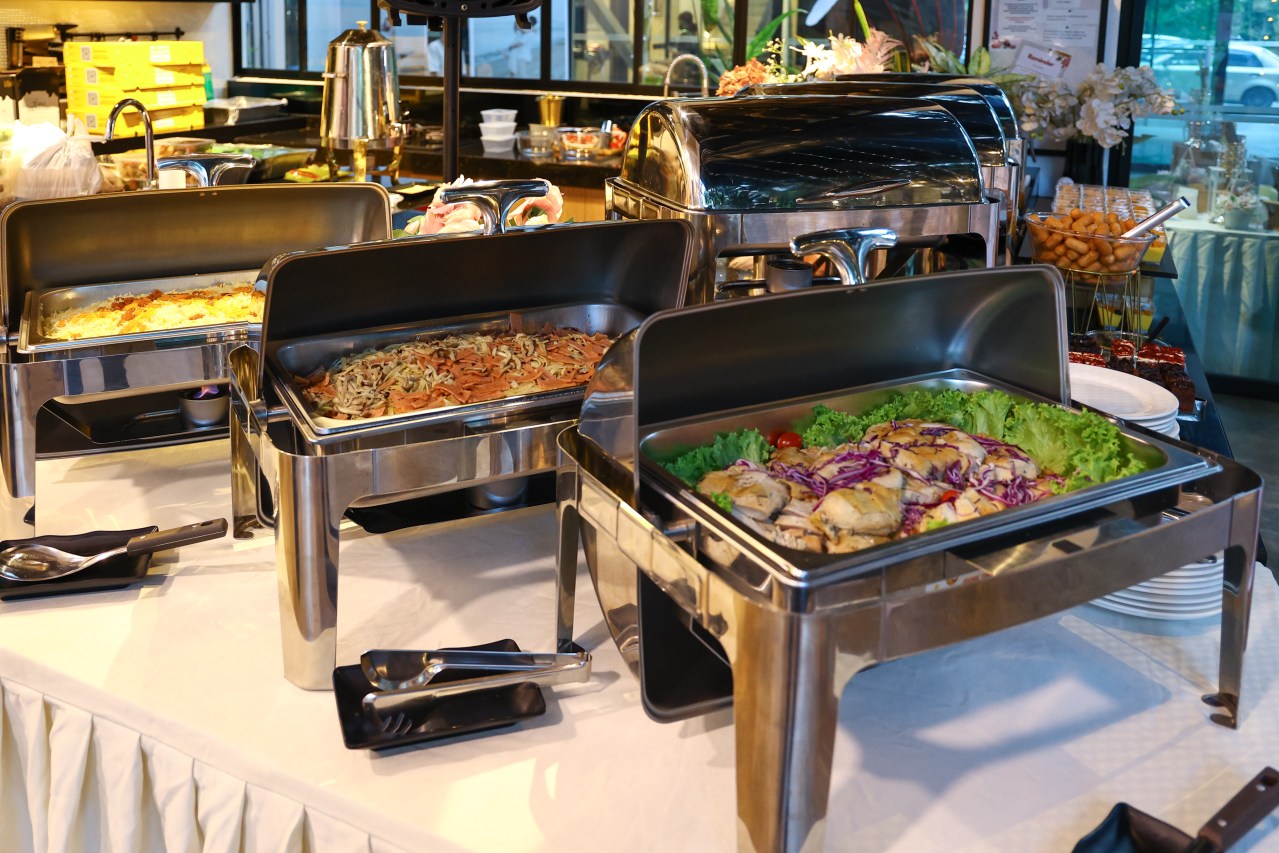
Efficiency in your buffet setup is crucial, especially when facing last-minute adjustments. Use modular and adjustable equipment that can be easily reconfigured based on the event’s needs. For example, chafing dishes with interchangeable inserts can adapt quickly to different food quantities. This streamlined setup saves valuable time during last-minute changes and ensures a smooth operation, allowing you to focus on providing excellent service rather than logistical challenges. Investing in versatile equipment and training your staff in efficient setup techniques can greatly improve your ability to handle unexpected changes.

7: Delegate Tasks Effectively

Trusting your team and delegating tasks effectively is essential in managing last-minute changes. Assign tasks based on each team member’s strengths and ensure that roles and responsibilities are clearly defined. Everyone should know their specific duties during these changes, which streamlines the process and ensures that everything gets done quickly and efficiently. Effective delegation allows you to leverage your team’s strengths and maintain high service standards even under pressure. Regular training and clear communication protocols can help your team stay prepared and responsive to sudden changes.

8: Have an Emergency Kit

An emergency kit can be a lifesaver during unexpected changes. Include essential items such as extra serving utensils, tablecloths, cleaning supplies, a first-aid box, basic spices, and extra packaging for takeaways. This kit prepares you for any unforeseen needs and allows you to respond quickly to any last-minute requirements. Being prepared with an emergency kit ensures that you can handle minor emergencies without disruption, maintaining the flow of your service. Regularly check and replenish your emergency kit to ensure it’s always ready when needed.

9: Utilize Technology

Leveraging technology can significantly ease the process of managing last-minute changes. Catering management software helps you quickly adjust guest counts, menu items, and seating arrangements. Use communication apps to keep your team connected and informed in real-time. These tools allow for efficient updates and coordination, making handling changes much easier. Embracing technology enhances your ability to respond swiftly and accurately to any adjustments. Additionally, using data analytics can help you anticipate trends and prepare for common last-minute changes based on past events.

10: Gather Feedback and Learn

After the event, it’s essential to gather feedback from your team and clients to understand what went well and what could be improved. This feedback is invaluable for learning and preparing for future events. Continuous improvement ensures that you become better at handling last-minute changes over time. Reflecting on each experience and implementing lessons learned helps you develop strategies that make you more adept at managing unexpected challenges. Regularly review and update your procedures based on feedback to stay ahead of potential issues.

Conclusion

Handling last-minute changes in buffet catering requires a combination of preparedness, flexibility, and effective communication. By staying calm, staying organized, and having backup plans in place, you can manage these changes smoothly. Following these strategies ensures you can deliver exceptional service despite unforeseen challenges. Your ability to adapt and deliver under pressure will leave a lasting impression on your clients and guests, solidifying your reputation as a top-notch caterer. Embracing these practices not only enhances your current operations but also sets the stage for long-term success in the dynamic world of catering.

Click here to know about Runningmen Catering

Share:

Facebook
Twitter
Pinterest
LinkedIn

Leave a Reply

On Key

Related Posts

Discover more from RunningMen Catering

Subscribe now to keep reading and get access to the full archive.

Continue reading